Russia

Everything related to Arabic in Russia: its institutions, professors and researchers, projects, books and activities, and its news and articles.

Institutions (11)

Universities, departments, institutes, schools and associations

Add an institution →

Arabic department (7)

Moscow

Arabic is taught at HSE University (Bachelor's Programme "The Arab World and Christian Orient", Institute for Classical Orient and Antiquity), in Moscow. It offers Bachelor's degrees.

Reviewed: October 2026

Saint Petersburg

Arabic is taught at Saint Petersburg State University (Department of Arabic Philology, Faculty of Asian and African Studies), in Saint Petersburg. It offers Bachelor's, Master's and PhD degrees.

Reviewed: November 2026

Moscow · Since 1956 CE

Arabic is taught at Lomonosov Moscow State University (Department of Arabic Philology, Institute of Asian and African Studies), in Moscow. It offers Master's degrees.

Reviewed: November 2026

Kazan

Arabic is taught at Russian Islamic Institute (Department of Philology and Area Studies), in Kazan. It offers Bachelor's and Master's degrees.

Reviewed: October 2026

Kazan · Since 1989 CE

Arabic is taught at Kazan Federal University (Department of Oriental Languages and Cultures, Higher School of International Relations and Oriental Studies), in Kazan. It offers Bachelor's degrees.

Reviewed: October 2026

Saint Petersburg

Arabic is taught at HSE University – St Petersburg (Department of Middle Eastern and African Studies, Institute of Oriental and African Studies), in Saint Petersburg. It offers Bachelor's degrees.

Reviewed: October 2026

Moscow

Arabic is taught at MGIMO University (Department of Languages of the Near and Middle East), in Moscow.

Reviewed: October 2026

Arabic language institute (2)

Arabic language institute

Bolgar · Since 2015 CE

Arabic is taught at Bolgar Islamic Academy, in Bolgar. It offers Master's and PhD degrees.

Reviewed: November 2026

Saint Petersburg · Since 1818 CE

Arabic is taught at Russian Academy of Sciences (Institute of Oriental Manuscripts), in Saint Petersburg.

Reviewed: October 2026

Cultural centre (1)

Moscow

Arabic is taught at Russian Academy of Sciences (Center for Arab and Islamic Studies, Institute of Oriental Studies), in Moscow.

Reviewed: October 2026

Academic chair (1)

Ufa · Since 1443 AH / 2022 CE

ICESCO and the Central Spiritual Administration of Muslims of Russia signed the agreement creating it on 3 October 2022. It aims to raise Arabic's standing among foreign languages at the university and across Russia and Central Asia, and to support research and curricula for teaching Arabic to non-native speakers.

Reviewed: November 2026

Arabic programmes (0)

From the directory of Arabic programmes for non-native speakers — shown here automatically

Nothing in this section yet.

Publication venues (8)

Peer-reviewed journals and book series on Arabic published in this country — from the publication-venues directory, shown here automatically

Peer-reviewed journal

Vestnik of Saint Petersburg University. Asian and African Studies (Вестник СПбГУ. Востоковедение и африканистика)

Saint Petersburg State University

Russia · About Arabic

ISSN: 2587-5892

ERIH PLUS Scopus Multidisciplinary Reviewed: October 2026
Peer-reviewed journal

Vestnik Moskovskogo universiteta. Seriya 13. Vostokovedenie (Moscow University Bulletin. Series 13. Oriental Studies)

Moscow University Press (Institute of Asian and African Studies, MSU)

Russia · About Arabic

ISSN: 0320-8095

Multidisciplinary International Reviewed: October 2026
Peer-reviewed journal

Vostok (Oriens). Afro-aziatskie obshchestva: istoriya i sovremennost' (Восток. Афро-азиатские общества: история и современность)

Institute of Oriental Studies RAS and Institute for African Studies RAS

Russia · About Arabic

ISSN: 2713-0401

Scopus Multidisciplinary Reviewed: October 2026
Peer-reviewed journal

Pis'mennye pamyatniki Vostoka (Письменные памятники Востока — Written Monuments of the Orient, Russian edition)

Institute of Oriental Manuscripts RAS (Asiatic Museum); Vostochnaya literatura

Russia · About Arabic

ISSN: 1811-8062

Multidisciplinary International Reviewed: October 2026
Peer-reviewed journal

Written Monuments of the Orient

Institute of Oriental Manuscripts RAS

Russia · About Arabic

ISSN: 2410-0145

Scopus Multidisciplinary Reviewed: October 2026
Peer-reviewed journal

Manuscripta Orientalia: International Journal for Oriental Manuscript Research

Peter the Great Museum of Anthropology and Ethnography (Kunstkamera) RAS with the State Hermitage Museum

Russia · About Arabic

ISSN: 1238-5018

Scopus Multidisciplinary Reviewed: October 2026
Peer-reviewed journal

Orientalistica (Ориенталистика)

Institute of Oriental Studies RAS

Russia · About Arabic

ISSN: 2687-0738

ERIH PLUS Multidisciplinary Reviewed: October 2026
Refereed book series

Pamyatniki pis'mennosti Vostoka (Памятники письменности Востока — Monuments of Oriental Writing)

Institute of Oriental Manuscripts RAS; Nauka — Vostochnaya literatura

Russia · About Arabic

Multidisciplinary No submissions International Reviewed: October 2026
All of this country’s venues in the directory →

Masters of Arabic from beyond the Arab world (41)

Scholars from beyond the Arab world whose origins lie in this country or its people, and who served the Arabic language – in grammar, lexicography, editing texts, literature or teaching; each page cites its source.

Add a figure →
A

Anna Dolinina Notable figure

1923–2017

Literature and poetry

Scholar of modern Arabic literature; translated Taymur

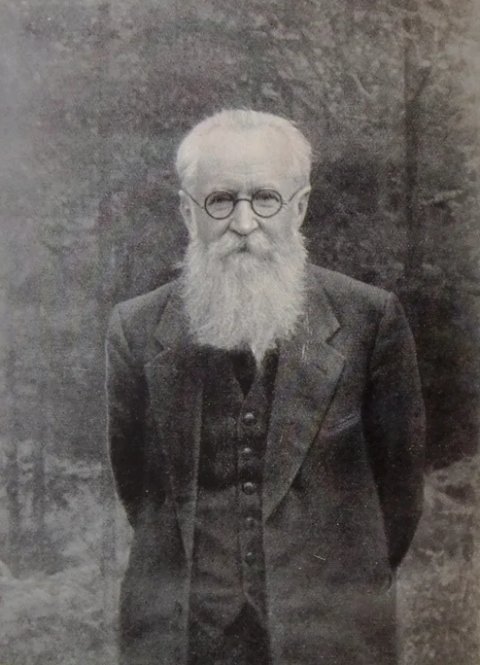
Ignaty Krachkovsky

Ignaty Krachkovsky Notable figure

1883–1951

Literature and rhetoric

Editor of Ibn al-Muʿtazz's Kitab al-Badiʿ (London 1935)

A

Aleksandr Aleksandrovich Kovalev Notable figure

1923–2000

Grammar

Author of a dictionary of Arabic particles and a textbook

A

Alexander Kudelin Notable figure

b. 1944

Literature

Scholar of Arabic poetics; Medieval Arabic Poetics (1983)

A

Aleksei Vasilyevich Boldyrev Notable figure

1780–1842

Teaching Arabic

Arabic professor at Moscow; Arabic grammar (1827)

O

Olga Borisovna Frolova Notable figure

1926–2015

Literature and poetry

Leningrad scholar of the Arabic poetic lexicon

I

Isaak Filshtinsky Notable figure

1918–2013

Literature and poetry

Historian of Arabic literature; Arabic Literature (1966)

I

Isaak Natanovich Vinnikov Notable figure

1897–1973

Phonetics and dialects

Dialectologist; author of a Bukhara Arabic dictionary (1962)

Pavel Konstantinovich Kokovtsov

Pavel Konstantinovich Kokovtsov Notable figure

1861–1942

Philology and Semitics

Semitist; editor of Ibn Barun's Hebrew–Arabic comparison

B

Benzion Grande Notable figure

1891–1974

Grammar and morphology

Grammarian; Arabic chair at Moscow University (1940–1960)

K

Kharlampy Baranov Notable figure

1892–1980

Lexicography

Lexicographer; author of the Arabic-Russian Dictionary

D

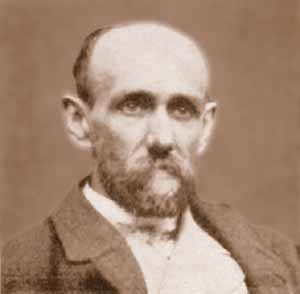
David Günzburg Notable figure

1857–1910

Text editing

Editor of the Diwan of Ibn Quzman (1896)

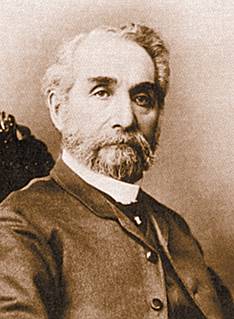
Daniel Chwolson

Daniel Chwolson Notable figure

1819–1911

Semitic philology

Semitist at St Petersburg; edited Ibn al-Nadim, Ibn Rusta

D

Daniil Vladimirovich Semenov Notable figure

1890–1943

Grammar and morphology

Grammarian; syntax of modern literary Arabic (1941)

D

Dmitri Nikolaevich Boguslavsky Notable figure

1826–1893

Qur'an translation

Russian Qur'an from the Arabic (1871), published in 1995

D

Dmitry Konstantinovich Petrov Notable figure

1872–1925

Text editing

Editor of Ibn Hazm's Tawq al-hamama (1914)

D

Dmitry Vladimirovich Frolov Notable figure

b. 1946

Prosody

Prosodist; Classical Arabic Verse (1991; English 2000)

G

Grigory Sh. Sharbatov Notable figure

1924–2006

Lexicography

Lexicographer; Russian-Arabic school dictionary (1964)

G

Gordiy Semyonovich Sablukov Notable figure

1804–1880

Translation

Translator of the Qur'an into Russian from Arabic (1878)

V

Vasily Aleksandrovich Eberman Notable figure

1899–1937

Literature and poetry

Scholar of Persian-born Arabic poets of the Umayyad age

V

Valentin Mikhailovich Borisov Notable figure

1924–1987

Lexicography

Lexicographer; Russian-Arabic Dictionary (Moscow, 1967)

V

Valeriya Kirpichenko Notable figure

1930–2015

Literature

Scholar of modern Egyptian prose; Yusuf Idris (1980)

V

Vsevolod Pavlovich Starinin Notable figure

b. 1903

Philology and Semitics

Semitist; studies of Arabic roots and metathesis

V

Vladimir Mikhailovich Belkin Notable figure

Lexicography

Lexicologist; Arabskaya leksikologiya (1975)

Boris Vladimirtsov

Boris Vladimirtsov Notable figure

1884–1931

Loanwords

Studied Arabic loanwords in Mongolian (1930)

V

Vladimir Girgas Notable figure

1835–1887

Grammar and lexicography

Lexicographer; author of an Arabic-Russian dictionary (1881)

V

Vladimir A. Zvegintsev Notable figure

1910–1988

History of Arabic linguistics

Linguist; History of Arabic Linguistics (1958)

V

Vladimir Nikolaevich Krasnovsky Notable figure

Lexicography

Russian–Arabic pocket dictionary with al-Farhi (1959)

V

Vera Krachkovskaya Notable figure

1884–1974

Arabic epigraphy

Epigraphist; Arabic inscriptions and Kufic script

V

Viktor Belyaev Notable figure

1902–1976

Manuscript cataloguing

Cataloguer of Arabic manuscripts; editor of al-Suli's Awraq

Viktor Rosen

Viktor Rosen Notable figure

1849–1908

Teaching Arabic

Professor of Arabic, St Petersburg; manuscript catalogues

K

Kseniia Kashtaleva Notable figure

1897–1938

Semitic philology

Russian researcher on Qur'anic terminology

L

Lev Zimin Notable figure

1886–1920

Teaching Arabic

Compiled a short Arabic chrestomathy and glossary (1920)

Worked in Uzbekistan, Turkmenistan and Azerbaijan

M

Magomed-Nuri Osmanov Notable figure

1924–2015

Qur'an translation

Russian translation of the Qur'an (1995)

M

Mikhail Aleksandrovich Salie Notable figure

1899–1961

Literature and poetry

First complete Russian translator of the Arabian Nights

Worked in Uzbekistan

M

Mikhail Timofeevich Navrotsky Notable figure

1823–1871

Grammar and morphology

Professor of Arabic at St Petersburg; Arabic grammar (1867)

M

Mirza Alexander Kazem-Bek Notable figure

1802–1870

Lexicography

Qur'an concordance (1859); Arabic and Persian chair, Kazan

N

Nikolai Yushmanov Notable figure

1896–1946

Grammar

Grammarian; author of a grammar of literary Arabic (1928)

N

Nikita Elisséeff Notable figure

1915–1997

Literature and poetry

Author of a classification of Arabian Nights themes (1949)

Worked in France and Syria

Y

Yakov Vilenchik Notable figure

1902–1939

Phonetics and dialects

Dialectologist; author of Arabic Gutturals (1931)

Y

Yuri Zavadovsky Notable figure

1909–1979

Phonetics and dialects

Dialectologist; author of Arabic Dialects of the Maghrib

Worked in France

Listing criteria for this directory (in Arabic)

Worked here (8)

Scholars from elsewhere who served the Arabic language in this country. Each one's page is under the country of their origin.

Agathangel Krymsky

Agathangel Krymsky Notable figure

1871–1942

Literature and poetry

Historian of Arabic literature; translator of Arabic poetry

From Ukraine; worked in Russia

A

Antoni Muchliński Notable figure

1808–1877

Teaching Arabic

Taught Arabic at St Petersburg; collected Arabic manuscripts

From Poland; worked in Russia

T

Theodor Shumovsky Notable figure

1913–2012

Text editions

Editor of Ibn Majid's pilot poems (1957); Russian Qurʾān

From Poland; worked in Russia

J

Jean-François Demange Notable figure

19th century

Teaching Arabic

Professor of Arabic in St Petersburg from 1817

From France; worked in Russia

Christian Martin Frähn

Christian Martin Frähn Notable figure

1782–1851

Teaching Arabic

Kazan professor of Arabic; edited the two Lamiyyas (1814)

From Germany; worked in Russia

J

Jan Nepomucen Wiernikowski Notable figure

1800–1877

Teaching Arabic

Teacher of Arabic and Persian at Kazan

From Poland; worked in Russia

Józef Sękowski

Józef Sękowski Notable figure

1800–1858

Literature and poetry

St Petersburg Arabic professor; Polish translator of Antar

From Poland; worked in Russia

J

Joseph Maximilian Emil Gottwaldt Notable figure

1813–1897

Lexicography

Arabic professor at Kazan; Muʿallaqat with a glossary

From Germany; worked in Russia

Professors and researchers (0)

Those who teach Arabic or research it

Add yourself as a professor →
Nothing in this section yet. Add the first item

Teaching and research projects (0)

Work under way in the country

Add a project →
Nothing in this section yet. Add the first item

Curricula and Arabic textbooks (0)

Curricula, textbooks, series and learners’ dictionaries

Add a book →
Nothing in this section yet. Add the first item

Arabic teaching activities, competitions and recurring programmes (3)

Competitions and recurring programmes, courses for Arabic teachers, forums and workshops

Add an activity →

News (0)

Written by the site’s editors

Nothing in this section yet.

Articles (0)

Written by people in the country and others who care about Arabic there, and reviewed before publication

Write an article →
Nothing in this section yet. Add the first item

My story with Arabic (0)

How the writer came to Arabic, and what kept them with it

Write your story →
Nothing in this section yet. Add the first item

Conversations with teachers (0)

Questions put to teachers of Arabic in the country, in their own words

Send an interview →
Nothing in this section yet. Add the first item

Arabic words in its language (0)

Words in the country's language that come from Arabic, each with its source

Add a word →
Nothing in this section yet. Add the first item

Ask about Arabic (0)

Questions about Arabic asked from this country, with their answers

Ask your question →
Nothing in this section yet. Add the first item

Arabic manuscripts (4)

Collections in the country that hold Arabic manuscripts

Add a collection →
المكتبة العلمية لجامعة قازان (مكتبة لوباتشيفسكي)

قازان

لا يذكر المصدر عددًا إجماليًّا، ويقول إن المخطوطات العربية لم تُفهرس بعد. وكانت قائمةٌ قديمة لمجموعة البارودي تضمّ 600 مادّة.

Source: Nuria Garaeva, «How Carl Brockelmann knew about manuscripts from Kazan?», abstract, Fourth Conference of The Islamic Manuscript Association, Cambridge, 2008

المكتبة الوطنية الروسية

سانت بطرسبرغ

أكثر من 26 ألف مخطوط شرقي، منها 19 ألفًا بالعبرية و«نحو 4 آلاف» مخطوط إسلامي، بحسب مقالٍ نُشر سنة 1996. ولا يفصل المقال العربيةَ عن غيرها من الإسلامية.

Source: O. V. Vasilyeva, «Oriental Manuscripts in the National Library of Russia», Manuscripta Orientalia 2/2 (1996)

معهد التاريخ والآثار والإثنوغرافيا، صندوق المخطوطات الشرقيّة (داغستان)

محج قلعة · مركز أو معهد

المخطوطات الإسلاميّة: أكثر من 3000، من القرن الحادي عشر إلى العشرين الميلاديّين، وأُرقم منها أكثر من 1000 حتّى 2018.

Source: Factum Foundation: Digitisation of Manuscripts in Dagestan

معهد المخطوطات الشرقيّة التابع لأكاديميّة العلوم الروسيّة

سانت بطرسبرغ

«5184 مجلّدًا» في المجموعة العربيّة، وهي أكبرُ مجموعات المخطوطات الإسلاميّة في المعهد، بحسب مقالٍ لأوليغ أكيموشكين في مجلّة المعهد (2009). ورصيدُ المعهد كلُّه أكثرُ من 100 ألف وحدة بنحو 65 لغة.

Catalogue link

Source: О.Ф. Акимушкин، «Письменные памятники Востока» 2009, №2

Languages written in Arabic script (17)

Languages of the country written, now or once, in Arabic script

Add a language →
الآفاريّة

الحرف العربيّ · تاريخيّ؛ كُتبت بالعربيّة حتّى نحو ١٩٢٨م، ثمّ باللاتينيّ، فالكيريليّ منذ ١٩٣٨م

الآفاريّة أكبر لغات داغستان الأصليّة، يتكلّمها أكثر من 600 ألف هناك ونحو 50 ألفًا في زقتالا بأذربيجان، وهي لغةٌ مشتركة بين كثيرٍ من شعوب داغستان. كُتبت بأبجديّةٍ عربيّةٍ معدّلة تُسمّى «العجم» اكتمل تهذيبُها في النصف الثاني من القرن الثامن عشر، وبها كُتبت المخط…

Source: A. M. Murtazaliev and M. N. Nabigulayeva, «Problematics and poetic originality of medieval Avar poetry», Philological Sciences (international scientific journal), 2025, no. 2, DOI 10.20339/PhS.2-25.086, abstract

البشكيريّة

الحرف العربيّ (على إملاء التتاريّة الجديد) · تاريخيّ؛ تُكتب اليوم بالسيريليّ

كتب البشكير في القرن التاسع عشر بالتتاريّة القازانيّة الأدبيّة، ثم صارت البشكيريّة نفسُها لغةً أدبيّة ذاتَ كتابة في العشرينيّات والثلاثينيّات من القرن العشرين. وتشهد كتبُ نحوها في العشرينيّات باستعمال الحرف العربيّ، وفيه الألف الصغيرة المنخفضة نفسها التي في ال…

Source: Yevlampiev, Pentzlin, Joomagueldinov, Unicode L2/11-209 = WG2 N4072 (2011), §4 and fig. 9; Lars Johanson, "Turkic languages," Encyclopaedia Britannica; Unicode NamesList 18.0.0 (U+08AD)

التتاريّة (تتاريّة قازان)

الحرف العربيّ: الإملاء القديم «إسكي إملا»، ثم الإملاء الجديد «يَڭا إملا» · تاريخيّ؛ تُكتب اليوم بالسيريليّ

كتبت التتاريّةُ بالحرف العربيّ كسائر لغات الشعوب التركيّة، وصارت لها في القرن التاسع عشر لغةٌ أدبيّة استعملها البشكير وغيرهم أيضًا. وفي العقد الثاني من القرن العشرين جُرّبت إملاءاتٌ انتقاليّة سُمّيت «الإملاء الأوسط»، ثم اعتُمد في العشرينيّات «الإملاء الجديد» ا…

Source: Ilya Yevlampiev, Karl Pentzlin, Nurlan Joomagueldinov, "Revised Proposal to encode Arabic characters used for Bashkir, Belarusian, Crimean Tatar, and Tatar languages," Unicode L2/11-209 = WG2 N4072 (2011), §4; Lars Johanson, "Turkic languages," Encyclopaedia Britannica; Unicode NamesList 18.0.0 (U+08AD, U+08B1)

الشيشانيّة

الحرف العربيّ (أبجديّة العشرينيّات) · تاريخيّ

كُتبت الشيشانيّة بالحرف العربيّ في العشرينيّات من القرن العشرين، ويشهد بذلك كتابٌ لتعليم القراءة صدر فيها حينئذ، وفيه حرفُ گافٍ بشَرطةٍ مقلوبة للصوت [k']، وهو الحرف نفسه الذي في الأبجديّة العربيّة للّغة اللاكيّة في داغستان (كتاب تعليم صدر في بويناكسك سنة 1925)…

Source: Yevlampiev, Pentzlin, Joomagueldinov, Unicode L2/11-209 = WG2 N4072 (2011), §4 and figs. 15–16; The Unicode Standard 17.0, ch. 9; Unicode NamesList 18.0.0 (U+08B0)

اللغة الأديغيّة الشركسيّة

الحرف العربيّ · تاريخيّ؛ كُتبت بالعربيّة حتّى 1926م، واستمرّت الطباعة بها خارج الاتحاد السوفييتيّ ثمّ انتهت نهائيًّا

يتكلّم الأديغيّةَ ما بين 300 و500 ألف، أكثرهم في جمهوريّة أديغيا شمال غرب القفقاس، ولهم جاليةٌ في تركيا منذ هجرات القرن التاسع عشر، وهي قريبةٌ جدًّا من القبرديّة. كانت تُكتب بالحرف العربيّ، وفي سنوات 1918–1927 استُعملت أبجديّةٌ عربيّةٌ موحّدة للأديغيّة والقبرد…

Source: Ilya Yevlampiev, Karl Pentzlin, Nurlan Joomagueldinov, «Proposal to encode Arabic characters used for Adyghe and Chechen languages», Unicode Technical Committee document L2/11-277 (expert contribution to ISO/IEC JTC1/SC2/WG2), 19 July 2011, section 4

اللغة الأوسيتيّة

الحرف العربيّ · تاريخيّ؛ من القرن الثامن عشر حتّى 1844م في أوسيتيا الشماليّة، واستمرّت اللهجة الديگوريّة بالعربيّة حتّى 1939م

يتكلّم الأوسيتيّةَ نحو 550 ألفًا في أوسيتيا الشماليّة التابعة لروسيا وأوسيتيا الجنوبيّة، ولها لهجتان: الإيرونيّة والديگوريّة، والديگوريّون في أكثرهم مسلمون. وهي من اللغات الإيرانيّة الشرقيّة. كتبها مسلموها بالحرف العربيّ (العجميّ)، وفي القرن التاسع عشر كتب بها…

Source: Rebecca Ruth Gould, «Northern Caucasus Literatures – 19th Century», Humanities Institute study guide (section «Poetry of Forced Migration»)

اللغة الإنگوشيّة

الحرف العربيّ · تاريخيّ؛ كُتبت بالعربيّة أواخر القرن التاسع عشر ومطلع العشرين حتّى فُرض اللاتينيّ سنة 1923م

الإنگوشيّة لغةٌ رسميّة مع الروسيّة في جمهوريّة إنگوشيا المجاورة للشيشان، ويقدَّر ناطقوها بنحو 450 ألفًا، وهي مع الشيشانيّة من لغات الناخ (الوايناخ). كُتبت بالحروف العربيّة أواخر القرن التاسع عشر ومطلع العشرين، وأُضيفت لها حروفٌ خاصّة منها الفاء بنقطةٍ تحتها، و…

Source: The Unicode Consortium, Unicode Standard 18.0.0, NamesList.txt, character annotation for U+06A3 ARABIC LETTER FEH WITH DOT BELOW

اللغة البلغاريّة القديمة

الحرف العربيّ · تاريخيّ؛ لغةٌ منقرضة، ونقوشها بالعربيّة من القرنين الثالث عشر والرابع عشر

هير (ابنة)، اول (نجل)، آيح (شهر)، جال (عام)

البلغاريّة القديمة لغة البلغار الذين أقاموا دولتهم على نهر الفولغا في القرن العاشر، وهي من الفرع الأوغوريّ في اللغات التركيّة، وخلفتها التشوفاشيّة. انتشرت الكتابة بالحرف العربيّ في بلاد بلغار الفولغا مع إسلامهم في القرن العاشر، لكنّ مخطوطاتهم الأولى لم تبقَ. و…

Source: A. A. Medyntseva, V. Y. Koval, D. Y. Badeev, «Turkic Inscriptions in Cyrillic on 14th–15th Century Eastern European Lithic Artifacts», Archaeology, Ethnology and Anthropology of Eurasia 47:4 (2019), pp. 105–111, DOI 10.17746/1563-0110.2019.47.4.105-111, Introduction

اللغة التاباسارانيّة

الحرف العربيّ · تاريخيّ؛ كُتبت بالعربيّة منذ القرنين الخامس عشر والسادس عشر حتّى ١٩٣٢م، ثمّ باللاتينيّ، فالكيريليّ منذ ١٩٣٨م

يتكلّم التاباسارانيّةَ نحو 130 ألفًا في جنوب داغستان الروسيّة، حيث هي من لغاتها الرسميّة، وهي من اللغات اللزگيّة في القفقاسيّة الشماليّة الشرقيّة. ارتبطت الكتابة في بلادهم بانتشار الإسلام: فأقدم وثائقهم المكتوبة بالعربيّة من القرنين العاشر والحادي عشر، وكتابة …

Source: «Tabasarans – Orientation», in Encyclopedia of World Cultures, vol. VI: Russia and Eurasia / China (ed. Paul Friedrich and Norma Diamond; G. K. Hall / Gale, 1994), via everyculture.com

اللغة التشوفاشيّة

الحرف العربيّ · تاريخيّ؛ من القرن الثالث عشر حتّى أواخر القرن التاسع عشر الميلاديّ

يتكلّم التشوفاشيّةَ نحو مليونين في جمهوريّة تشوفاشيا بالقسم الأوروبيّ من روسيا، وهي الباقية الوحيدة من الفرع الأوغوريّ في اللغات التركيّة، وقد تطوّرت عن لغة بلغار الفولغا. استعمل أسلافهم الحرف العربيّ في القرن الرابع عشر أسوةً ببلغار الفولغا. ثمّ كُتبت بالكيري…

Source: «Chuvash – Orientation», in Encyclopedia of World Cultures, vol. VI: Russia and Eurasia / China (ed. Paul Friedrich and Norma Diamond; G. K. Hall / Gale, 1994), via everyculture.com

اللغة الدارگانيّة

الحرف العربيّ · تاريخيّ؛ كُتبت بالعربيّة حتّى 1928م

الدارگينيّة لغةٌ من لغات داغستان في شمال القوقاز الشرقيّ، يتكلّمها أكثرُ من نصف مليون، ولها لهجاتٌ متباعدة يعدّها بعضُ العلماء لغاتٍ مستقلّة. حين أسلم الدارگينيّون حلّت الكتابةُ العربيّة محلَّ كتابةٍ أقدم، وسعى علماءُ داغستان منذ القرن الخامس عشر إلى تطويع الح…

Source: Encyclopedia of World Cultures (Gale Group), entry 'Dargins – History and Cultural Relations', online at everyculture.com (© 2008 The Gale Group).

اللغة القبرديّة

الحرف العربيّ · تاريخيّ؛ كُتبت بالحرف العربيّ حتّى نحو ١٩٢٧م، ثمّ باللاتينيّ، فالكيريليّ منذ ١٩٣٦–١٩٣٧م

القبرديّة (الشركسيّة الشرقيّة) لغةٌ من الفصيلة القوقازيّة الشماليّة الغربيّة، رسميّةٌ في جمهوريّتي قبردينو-بلقاريا وقراتشاي-شركيسيا الروسيّتين، ولها جالياتٌ كبيرة في تركيا والأردن وسوريا. وأقدمُ ما وصلنا مكتوبًا من اللغات الشركسيّة كلماتٌ دوّنها الرحّالة العثم…

Source: Amjad M. Jaimoukha (ed.), Circassian Journal, vol. 1, issue 2 (2009), section 'The Circassian Language – Important Milestones' and article on Circassian literature.

اللغة القرَتْشاي-بَلْقاريّة

الحرف العربيّ · تاريخيّ؛ من أواخر القرن التاسع عشر حتّى ١٩٢٨م، ثمّ باللاتينيّ، فالكيريليّ منذ ١٩٣٧م

القرتشاي-بلقاريّة لغةٌ تركيّة قبچاقيّة يتكلّمها القرتشاي والبلقار في جمهوريّتي قراتشاي-شركيسيا وقبردينو-بلقاريا الروسيّتين، ولها لهجتان: القرتشائيّة والبلقاريّة. كانت العربيّة قديمًا لغةَ العبادة عندهم والتركيّة لغةَ المعاملات المكتوبة، وكُتبت لغتُهم بالحروف ا…

Source: Encyclopedia of World Cultures (Gale Group), entry 'Balkars – History and Cultural Relations', online at everyculture.com (© 2008 The Gale Group).

اللغة القومقيّة

الحرف العربيّ · تاريخيّ؛ كُتبت بالحرف العربيّ حتّى ١٩٢٧م، ثمّ باللاتينيّ، ثمّ بالكيريلّيّ منذ ١٩٣٧م

باريسى منم يانمه كلكز

القومقيّة لغةٌ تركيّةٌ قبچاقيّة يتكلّمها نحو أربعمئة ألف في داغستان، ولها متكلّمون في الشيشان وأوسيتيا الشماليّة وتركيا. وكُتبت بالحرف العربيّ المعدّل المسمّى في داغستان «العجم»، وطُبعت بها الكتب في أواخر القرن التاسع عشر ومطلع العشرين، ومن أعلام الكتابة بها ا…

Source: Gasan M.-R. Orazaev and Ismail I. Khanmurzaev, «Труды Абусуфьяна Акаева на арабском языке» (Abusufyan Akaev's works in Arabic), История, археология и этнография Кавказа (History, Archeology and Ethnography of the Caucasus) vol. 14 no. 4, 2018, pp. 53–62, doi 10.32653/CH14453-62

اللغة اللزگيّة

الحرف العربيّ · تاريخيّ؛ شعرٌ مخطوطٌ من القرنين الثامن عشر والتاسع عشر، حتّى ١٩٢٨م

اللزگيّة لغةٌ قوقازيّة من الفصيلة الشماليّة الشرقيّة يتكلّمها نحو ستّمئة ألف في جنوب داغستان وشمال أذربيجان. وكُتبت بالحرف العربيّ المعدّل المسمّى «العجم» منذ القرنين الثامن عشر والتاسع عشر على الأقلّ، وشاهدُ ذلك مجموعٌ مخطوطٌ من قرية كيري فيه ٤٦٣ قصيدةً لسبعة…

Source: F. R. Nagiev, «О рукописном альманахе лезгинской поэзии XVIII–XIX веков из села Кири» (On a manuscript almanac of 18th–19th-century Lezgian poetry from the village of Kiri), Вестник РУДН, серия Литературоведение. Журналистика, 2011 no. 2, pp. 21–27

لغة اللاكو

الحرف العربيّ · تاريخيّ؛ أقدمُ نصٍّ معروفٍ بها من ١٧٣٤م، وانتهت سنة ١٩٢٨م، ثمّ اللاتينيّ، فالكيريليّ منذ ١٩٣٨م

اللاكيّة لغةٌ قوقازيّة من الفصيلة الشماليّة الشرقيّة يتكلّمها نحو ١٨٠ ألفًا في داغستان، وهي فيها لغةٌ رسميّة، وكان مركز أهلها يُسمّى «غازي قُمُق». وكُتبت بالحرف العربيّ المعدّل المسمّى «العجم»، وأقدم ما عُرف منها كتابٌ في الطبّ تُرجم من العربيّة بأمر حاكم غازي…

Source: A. A. Isaev, «М.-С. Саидов – основоположник исследования истории зарождения письменности на языках народов Дагестана» (M.-S. Saidov, founder of research into the origins of writing in the languages of Dagestan), Вестник Института ИАЭ, 2007 no. 2, pp. 70–72

لغة النوگاي

الحرف العربيّ · تاريخيّ؛ اتّسعت كتابتها بالعربيّة في عشرينيّات القرن العشرين حتّى ١٩٢٨م، ثمّ اللاتينيّ، فالكيريليّ منذ ١٩٣٨م

النوگاي لغةٌ تركيّةٌ من الفرع القبچاقيّ، وأهلها من بقايا التتار الذين استقرّوا في شرق أوروبّا، ويتكلّمها نحو ٩٢ ألفًا في داغستان وإقليم ستافروبول وقره چاي–چركسيا، ولها جماعاتٌ في رومانيا وبلغاريا. وكُتبت بالحرف العربيّ حتّى سنة ١٩٢٨م، ولم يتّسع استعماله لقلّة …

Source: Большая советская энциклопедия (Great Soviet Encyclopedia), 3rd ed., article «Ногайский язык» (online text at booksite.ru)

Tools for teachers of Arabic in Russia

Free on Voice of Arabic for every teacher, wherever they are