Everything related to Arabic in France: its institutions, professors and researchers, projects, books and activities, and its news and articles.
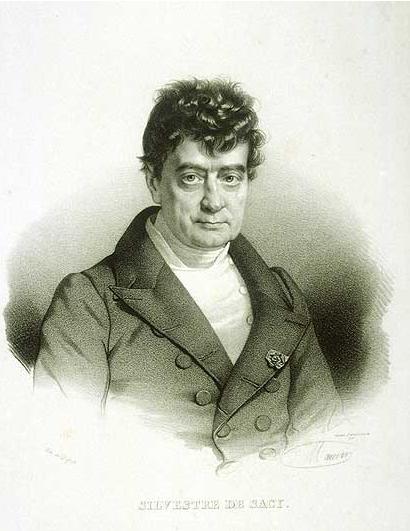
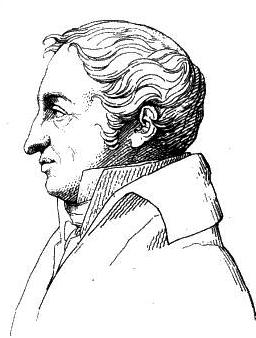
L'enseignement de l'arabe en France a une histoire de plusieurs siècles : la première grammaire arabe publiée en France est due à Guillaume Postel, vers 1539, et en 1669 le ministre Colbert fit ouvrir une école formant de jeunes gens à l'arabe pour la traduction, le commerce et la diplomatie avec le monde musulman. À la fin du XVIIIe siècle fut fondée l'École des langues orientales, aujourd'hui Institut national des langues et civilisations orientales (Inalco), où Silvestre de Sacy enseigna l'arabe pendant des décennies.
Après la Seconde Guerre mondiale, de nombreux immigrés venus du Maghreb s'installèrent en France, ce qui fit naître le besoin d'enseigner l'arabe à leurs enfants.
L'arabe est aujourd'hui enseigné dans plus de vingt universités françaises et dans plusieurs grandes écoles ; environ cinq mille étudiants l'étudient en licence, en master et en doctorat, l'Inalco en accueillant le plus grand nombre. L'Institut du monde arabe à Paris dispose d'un centre d'enseignement de la langue, et des cours en ligne ouverts et gratuits sont proposés.
Source : Académie internationale du roi Salmane pour la langue arabe, « اللغة العربية في فرنسا » (La langue arabe en France).
Si vous relevez une erreur dans ce texte, écrivez-nous et nous la corrigerons.
Universities, departments, institutes, schools and associations
Lyon
Arabic is taught at Université Jean Moulin Lyon 3 (Arabic Studies (Études arabes) — Faculty of Languages), in Lyon. It offers Bachelor's, Master's and PhD degrees.
Reviewed: October 2026Toulouse
Arabic is taught at Université Toulouse - Jean Jaurès (Arabic Section), in Toulouse. It offers Bachelor's and Master's degrees.
Reviewed: October 2026Montpellier
Arabic is taught at Université Paul-Valéry Montpellier 3 (Department of Arabic and Hebrew Studies (Département Études arabes et hébraïques)), in Montpellier. It offers Bachelor's degrees.
Reviewed: October 2026Bordeaux
Arabic is taught at Université Bordeaux Montaigne (Department of Arabic Studies — Faculty of Languages and Civilisations), in Bordeaux. It offers Bachelor's and Master's degrees.
Reviewed: October 2026Lyon
Arabic is taught at Université Lumière Lyon 2 (Department of Arabic Studies — Faculty of Languages), in Lyon. It offers Bachelor's and Master's degrees.
Reviewed: October 2026Strasbourg
Arabic is taught at University of Strasbourg (Department of Arabic Studies), in Strasbourg. It offers Bachelor's and Master's degrees.
Reviewed: October 2026Aix-en-Provence
Arabic is taught at Aix-Marseille University (Department of Middle Eastern Studies (DEMO)), in Aix-en-Provence. It offers Bachelor's and Master's degrees.
Reviewed: October 2026Saint-Denis
Arabic is taught at Université Paris 8 Vincennes-Saint-Denis (Arabic – Arab Worlds (Mondes arabes), UFR Langues et Cultures étrangères (LLCER-LEA)), in Saint-Denis. It offers Bachelor's degrees.
Reviewed: October 2026Grenoble
Arabic is taught at Université Grenoble Alpes (English–Arabic track, Licence in Applied Foreign Languages (LEA) — UFR Sociétés, Cultures et Langues Étrangères (SoCLE)), in Grenoble. It offers Bachelor's degrees.
Reviewed: October 2026Villeneuve-d'Ascq
Arabic is taught at Université de Lille (Arabic — Faculty of Languages, Cultures and Societies), in Villeneuve-d'Ascq. It offers Bachelor's and Master's degrees.
Reviewed: October 2026Paris
Arabic is taught at Sorbonne University (UFR of Arabic and Hebrew Studies), in Paris. It offers Bachelor's and Master's degrees.
Reviewed: October 2026Saint-Denis
Arabic is taught at Paris (European Institute of Human Sciences (IESH)), in Saint-Denis.
Reviewed: October 2026Paris
Arabic is taught at INALCO — National Institute for Oriental Languages and Civilizations (Department of Arabic Studies), in Paris. It offers Bachelor's and Master's degrees.
Reviewed: October 2026Aix-en-Provence
Arabic is taught at Institute for Research and Study on the Arab and Muslim Worlds (IREMAM), in Aix-en-Provence.
Reviewed: October 2026Paris · Since 1999 CE
Arabic is taught at Institute for the Study of Islam and the Societies of the Muslim World (IISMM), in Paris.
Reviewed: October 2026Poitiers
Arabic is taught at CNED — National Centre for Distance Education, in Poitiers.
Reviewed: October 2026Paris
Arabic is taught at Arab World Institute (Arabic Language and Civilisation Centre (CLCA)), in Paris.
Reviewed: October 2026
Association founded in 1973 for Arabists and teachers of Arabic in France, publisher of L'Arabisant. No activity found after 2019.
Reviewed: October 2026From the directory of Arabic programmes for non-native speakers — shown here automatically
Literal Arabic — INALCO
Institut national des langues et civilisations orientales (INALCO)
France · Paris
Reviewed: November 2026 InstituteCentre de langue et de civilisation arabes (CLCA) — Institut du monde arabe
Institut du monde arabe
France · Paris
Reviewed: November 2026Peer-reviewed journals and book series on Arabic published in this country — from the publication-venues directory, shown here automatically
Journal Asiatique
Peeters (Société asiatique)
France · About Arabic
ISSN: 1783-1504
Multidisciplinary International Reviewed: October 2026 Peer-reviewed journalRevue des mondes musulmans et de la Méditerranée (REMMM)
Presses universitaires de Provence / Aix-Marseille Université (IREMAM)
France · About Arabic
ISSN: 2105-2271
Multidisciplinary International Reviewed: October 2026Scholars from beyond the Arab world whose origins lie in this country or its people, and who served the Arabic language – in grammar, lexicography, editing texts, literature or teaching; each page cites its source.
1859–1949
Lexicography
Lexicographer; Arabic–French dictionary of Syrian dialects
Worked in Syria
1893–1971
Teaching Arabic
Teacher of Arabic and Berber in Morocco; Banat Suʿad
Worked in Morocco
1902–1949
Lexicon and terminology
Editor of Ibn ʿAbd al-Hakam; Tunisian maritime vocabulary
Worked in Morocco
1858–1928
Grammar and morphology
Grammarian; co-author of Cheikho's Latin Arabic grammar
1820–1870
Translation
Translated from Arabic al-Tijani's journey and Tunis texts
1818–1885
Phonetics and dialects
Author of Grammaire arabe (idiome d'Algérie) (1850)
1894–1977
Lexicography
Compiler of Avicenna's philosophical lexicon (1938)
1907–1965
Teaching Arabic
Teacher of Arabic; Petite introduction au parler libanais
Worked in Lebanon
17th century
Qur'an translation
First complete French version of the Qur'an (1647)
Worked in Egypt
1928–2012
Grammar and morphology
Linguist; author of a phonology of Arabic koine (1983)
Worked in Lebanon
1929–2022
Literature and poetry
Collège de France chair of Arabic; Kalila wa-Dimna
1810–1879
Lexicography
Lexicographer; glossary of French words from Arabic (1847)
1646–1715
Literature and poetry
First European translator of the Thousand and One Nights
Worked in Türkiye
1846–1909
Grammar and morphology
French translator of Qatr al-nada and Ibn Malik's Alfiyya
1813–1882
Teaching Arabic
Arabic teacher in Constantine; French–Arabic dictionary
Worked in Algeria
1783–1806
Lexicography
Arabic–French and French–Arabic dictionary in two parts
1866–1945
Literature and poetry
Professor of Arabic, Constantine; on Ibn Zaydun (1920)
Worked in Algeria
1817–1893
Teaching Arabic
Held the Arabic chair at Constantine; Dialogues (1847)
Worked in Algeria
1828–1906
Teaching Arabic
With Belot, the anthology Nukhab al-mulah (Beirut 1870–1874)
Worked in Lebanon
1840–1916
Teaching Arabic
Arabic professor; editor of Nuzhat al-hadi, Tarikh al-Sudan
17th century
Teaching Arabic
Henri IV's physician; taught Arabic in Paris, to Erpenius
1782–1857
Text editing
Editor of Ibn Khaldun's Muqaddima and al-Maydani's proverbs
1899–1937
Phonetics and dialects
Author of Turkish words in Damascene Arabic (1929)
Worked in Syria
1823–1892
Philology and Semitics
Author of a general history of the Semitic languages (1855)
1864–1908
Text editing
Translator of Futuh al-Bahnasa; Egyptian dialect tales
1894–1956
Text editing
Editor of al-Bayan al-mughrib and Aʿmal al-aʿlam
1881–1945
Text editing
Editor of Ibn al-Banna's treatise on the anwaʾ
Worked in Morocco
1625–1695
Reference works
Author of the Bibliothèque orientale (1697)
1845–1919
Manuscript cataloguing
Catalogued the Zaytuna Mosque's manuscripts and books (1900)
Worked in Tunisia
1867–1953
Literary translation
Translated Avicenna's ʿAyniyya and Ibn al-Farid's Taʾiyya
1871–1940
Semitic philology
Semitist; studies of Arabic word meaning and verb forms
1868–1930
Lexicography
Pharmacist; Arabic–French drug-name glossaries (1903)
Worked in Lebanon
1623–1667
Literature and poetry
Translator of al-Tughraʾi's Lamiyyat al-ʿAjam (1660)
b. 1948
Grammar and linguistics
Linguist; Le système verbal de l'arabe classique (2003)
1910–1995
Translation
Translator; the ten Muʿallaqat into French (1979)
1914–2008
Phonetics and dialects
Manual of Egyptian Arabic (1964); a Cairo-dialect lexicon
Worked in Egypt
1822–1904
Lexicography
Lexicographer; author of an Arabic-French vocabulary (1883)
c. 1570–1632
Lexicography
Latin–Arabic dictionary of the Psalter's words (1632)
1790–1859
Arabic literature and poetry
Translator of Arabic poetry; Anthologie arabe (1828)
1759–1835
Literature
Arabic professor, Collège de France; continued the Nights
1894–1986
Folk literature and dialects
Collector of women's songs of Rabat and Fez
Worked in Morocco
1810–1896
Text editing
Marseille professor of Arabic; Ibn al-Farid's Diwan (1855)
1776–1854
Lexicography
Lexicographer; French-Arabic vocabulary of dialects (1837)
Worked in Egypt
1901–1950
Text editing
Co-author of rules for editing Arabic texts (1945)
Worked in Syria
c. 1670–1740
Text editing
Oxford Arabic professor; editor of Abu al-Fidaʾ's sira
Worked in the United Kingdom
19th century
Teaching Arabic
Professor of Arabic in St Petersburg from 1817
Worked in Russia
1801–1849
Teaching Arabic
Author of a course in the spoken Arabic of North Africa
Worked in Algeria
1899–1956
Phonetics and dialects
Dialectologist; author of Les parlers arabes du Ḥōrān (1946)
b. 1931
Literature and poetry
Author of L'esprit courtois en Orient (1968)
Worked in Egypt
1894–1980
Phonetics and dialects
Scholar of Baghdadi Arabic and modern Arabic literature
Worked in Syria
1812–1871
Phonetics and dialects
Wrote the first attempt at a grammar of Algerian Arabic
Worked in Algeria
1876–1906
Text editing
Translated al-Maʿarri; edited al-Khatib on Baghdad
1893–1977
Phonetics and dialects
Scholar and teacher of Moroccan and Andalusian Arabic
Worked in Morocco
1794–1878
Literature and poetry
Translator of al-Maqdisi's Kashf al-asrar (1821)
1795–1867
Text editing
Paris professor of Arabic; co-editor of al-Hariri
1540–1609
Philology and Semitics
A founder of Arabic studies at Leiden
Worked in the Netherlands
1863–1942
Folk literature and dialect
Scholar of Algerian popular poetry, song and dialect
Worked in Algeria
1868–1949
Literature and poetry
Translator of the Thousand and One Nights into French
1827–1917
Semitic philology
Semitist; collector of the Sabaean inscriptions of Yemen
1824–1897
Lexicography
Compiler of a French–Arabic vocabulary (Beirut, 1857)
Worked in Lebanon
1853–1891
Teaching Arabic
Author of Éléments de grammaire arabe (Beirut, 1886)
1927–2010
Grammar and lexicography
Philologist; author of an index to Sibawayh's Kitab (1976)
1926–1997
Literature and lexicography
Author of a study of Ibn Qutayba (Damascus 1965)
1922–2013
Philology and Semitics
Linguist; author of the Dictionnaire des racines sémitiques
1929–2007
Lexicography
Lexicographer; As-Sabil Arabic-French dictionary (1983)
1921–2014
Text editing
Editor of al-Baghdadi's Kitab al-kuttab (1952–54)
b. 1946
Dialectology
Dialectologist; L'arabe marocain (2 vols, 1993)
1838–1917
Grammar and morphology
Author of Grammaire arabe (Beirut, 1891–1892)
Worked in Lebanon
1810–1873
Dialects
L'Idiome d'Alger, French-Arabic dictionaries (1838)
Worked in Algeria
1900–1973
Grammar, literature and lexicography
Grammarian; author of a classical Arabic grammar (1937)
d. 1886
Text editing
Editor of the diwans of ʿUrwa ibn al-Ward and al-Farazdaq
1855–1924
Literature and poetry
Editor and translator of the Burda and Banat Suʿad
Worked in Algeria
1803–1867
Text editing
Edited the Arabic text of the Guide with a French version
1846–1884
Prosody and rhetoric
Author of a new theory of Arabic metre (1877)
1758–1838
Grammar and teaching
Grammarian; author of the Grammaire arabe (Paris 1810)
1826–1908
Text editing
Editor of al-Masʿudi's Muruj and al-Zamakhshari's Atwaq
1914–1992
Literature and text editing
Editor of al-Jahiz and historian of Arabic literature
1822–1883
Text editing
Co-editor and translator of Ibn Battuta's Rihla (1853–1858)
1880–1965
Literature and poetry
Author of a study of Abu Zayd, hero of the Maqamat (1917)
b. 1928
Literature
Translator of al-Jahiz; glossary of written Egyptian
Worked in Egypt
1895–1978
Text editing
Began an edition of al-Shaybani's Kitab al-Jim
Worked in Egypt
1864–1935
Lexicography
Supplement to the Arabic lexicons; nautical texts
1887–1971
Literature and poetry
Taught Arabic literature in Cairo; translated modern writers
Worked in Egypt
1857–1919
Teaching Arabic
Teacher of Arabic in Algeria; Jamiʿ al-lataʾif (1891)
Worked in Algeria
1510–1581
Grammar
Grammarian; author of an early printed Arabic grammar
1824–1894
Text editing
Editor; co-edited al-Maqqari's Nafh al-tib (Leiden)
Worked in Algeria
1817–1877
Lexicography
Notes on Marcel's dictionary; colloquial Arabic texts
1913–2005
Modern Standard Arabic
Author of L'arabe moderne (1960) on modern Arabic
1795–1855
Literature and poetry
Translator of al-Shanfara's Lamiyya (1834)
Worked in Saudi Arabia and Iraq
1836–1904
Literature and poetry
Translator of the Diwan of al-Khansaʾ into French (1889)
Worked in Lebanon
1818–1895
Lexicography
Lexicographer; Arabic–French dictionary (Beirut, 1862)
Worked in Lebanon
1849–1904
Literature and poetry
Collector of Maghrebi poetry; Chants arabes du Maghreb
Worked in Algeria
Philology and Semitics
Hebrew and Judeo-Aramaic loanwords in the Qur'an (2014)
b. 1943
Literature and poetry
Literary scholar of Taha Husayn and Ibn Zaydun
1750–1788
Grammar
Grammar of literary and vulgar Arabic; French Qur'an (1783)
1940–2025
Philology and Semitics
Exégèse, langue et théologie en islam; Qur’anic language
1854–1926
Literature and poetry
Author of Littérature arabe (Paris, 1902)
1795–1871
Grammar and lexicography
Grammarian; author of a grammar of colloquial Arabic (1824)
1763–1824
Literature and poetry
Edited and translated the Voyages of Sindbad (1814)
1814–1869
Teaching Arabic
Arabic teacher in Algiers; Ajurrumiyya translation (1846)
Worked in Algeria
1819–1895
Teaching Arabic
Arabic teacher in Lebanon; author of a grammar (1862)
Worked in Lebanon
1883–1962
Terminology
Scholar of Arabic technical vocabulary; Essai (1922)
Worked in Egypt
1848–1921
Teaching Arabic
Teacher of Arabic; author of an Arabic–French dictionary
1879–1945
Text editing
Editor of Ibn Hudhayl's Hilyat al-fursan (1922); dialects
Worked in Morocco
1889–1955
Translation
Translator of Ibn Hazm's Tawq al-hamama into French (1949)
Worked in Tunisia
19th century
Lexicography
Authors of a French–Arabic pocket dictionary (1847)
1821–1873
Lexicography
Lexicographer; author of an Arabic-French dictionary (1871)
1832–1888
Lexicography
Lexicographer; French words of Oriental origin (1876)
1884–1974
Dialectology
Linguist; Le parler arabe des Juifs d'Alger (1912)
1888–1982
Text editing
Compiler of literary and historical texts on Sayf al-Dawla
Worked in Algeria
1878–1951
Text editing
Editor of Kitab al-naʿam (1908) and the Tahafut (1927)
Worked in Lebanon
1862–1957
Grammar
Paris Arabic professor; classical grammar with Blachère
1724–1795
Teaching Arabic
Arabic chair at the Collège royal; drew Eastern scripts
1844–1908
Text editing and grammar
Editor of Sibawayh's al-Kitab (Paris 1881–1889)
Worked in Spain
1890–1983
Literature and poetry
Editor of Kuthayyir's Diwan; La poésie andalouse (1937)
Worked in Algeria
1904–1985
Grammar and morphology
Grammarian; author of the Traité de philologie arabe
Worked in Lebanon
Phonetics and dialects
Scholar of Upper-Egyptian and Cairene Arabic
Worked in Egypt
1872–1956
Phonetics and dialects
Dialectologist of Maghribi Arabic; Tlemcen dialect (1902)
Scholars from elsewhere who served the Arabic language in this country. Each one's page is under the country of their origin.
1808–1887
Lexicography
Lexicographer; author of the Dictionnaire arabe-français
1846–1931
Lexicography
Author of Additions aux dictionnaires arabes (1923)
1904–1944
Text editing
Editor of al-Jahiz's epistles (1943); historian of science
1811–1895
Text editing
Revised the 2nd edition of al-Hariri's Maqamat (1847–1851)
1232–1316
Teaching Arabic
Founded the Miramar school of Arabic; urged chairs of Arabic
1918–1981
Semitic philology
Semitist; studied an Arabic–Ethiopic glossary (1968)
From Poland; worked in France and the United Kingdom
1906–2006
Semitic philology
Semitist; Arabic loanwords in the Ethiopian languages
From Poland; worked in France and the United States
1915–1997
Literature and poetry
Author of a classification of Arabian Nights themes (1949)
c. 1110–after 1154
Translation
Latin Great Introduction of Abu Ma'shar from Arabic (1140)
1801–1878
Text editing
Editor of Imruʾ al-Qays's Diwan (1837) and Ibn Khallikan
1785–1826
Translation
Copenhagen professor; translated from the Arabian Nights
1909–1979
Phonetics and dialects
Dialectologist; author of Arabic Dialects of the Maghrib
Those who teach Arabic or research it
Work under way in the country
Curricula, textbooks, series and learners’ dictionaries
Competitions and recurring programmes, courses for Arabic teachers, forums and workshops
Written by the site’s editors
Written by people in the country and others who care about Arabic there, and reviewed before publication
How the writer came to Arabic, and what kept them with it
Questions put to teachers of Arabic in the country, in their own words
Words in the country's language that come from Arabic, each with its source
الفرنسيّة
المشمش
دخلت عن طريق الكتالونيّة، والعربيّة أخذتها من اليونانيّة عن اللاتينيّة
Source: Trésor de la langue française informatisé (CNRTL) – مدخل «abricot»
Its words on the origin: «sa forme indique un empr. au cat. albercoc … L'esp. albaricoque, le port. albricoque et le cat. albercoc sont tous trois empr. à l'ar. al barkuk < bas gr. praikokkion < lat. praecoquum « fruit précoce »»
الفرنسيّة
جهازُ التقطير
دخلت على الأرجح عن طريق لاتينيّة الخيميائيّين، والعربيّة أخذتها من اليونانيّة
Source: Trésor de la langue française informatisé (CNRTL) – مدخل «alambic»
Its words on the origin: «Empr. à l'ar. al-anbīq « chapiteau de la cornue » …, prob. par l'intermédiaire du lat. médiév. des alchimistes … L'ar. anbīq est issu lui-même du gr. ἄμβιξ»
الفرنسيّة
الخيمياء
دخلت عن طريق اللاتينيّة الوسيطة، وأصلُ الكلمة العربيّة مختلَفٌ فيه: يونانيّ أو قبطيّ
Source: Trésor de la langue française informatisé (CNRTL) – مدخل «alchimie»
Its words on the origin: «Empr. au lat. médiév. alchimia … ce lat. est formé sur l'ar. al Kīmīja, article al, et Kīmīja « pierre philosophale, alchimie »»
الفرنسيّة
الكحول
دخلت عن طريق الإسبانيّة، وأصلُ معناها مسحوقُ الإثمد
Source: Trésor de la langue française informatisé (CNRTL) – مدخل «alcool»
Its words on the origin: «de l'hisp.-ar. kuḥúl (ar. kuḥl) « poudre d'antimoine extrêmement fine servant de fard pour les yeux », par l'intermédiaire de l'esp. alcohol»
الفرنسيّة
علمُ الجبر
دخلت عن طريق اللاتينيّة الوسيطة في القرن الثاني عشر
Source: Trésor de la langue française informatisé (CNRTL) – مدخل «algèbre»
Its words on the origin: «Empr. au lat. médiév. algebra « id. », mot formé au xiie s. par Gerardo de Cremona …, d'apr. l'ar. al-ǧabr « réduction »»
الفرنسيّة
خوارزميّة
دخلت عن طريق الإسبانيّة القديمة، وتأثّرت باليونانيّة arithmos «عدد»
Source: Trésor de la langue française informatisé (CNRTL) – مدخل «algorithme»
Its words on the origin: «Empr. à l'a. esp. alguarismo … L'esp. alguarismo est issu de l'ar. Al Ḫuwārizmī, littéralement « celui de Huwārizm », surnom du mathématicien ar. du ixe s. … La forme algorithme est le résultat d'un croisement de algorisme avec le gr. ἀριθμός»
الفرنسيّة
التقويمُ السنويّ
دخلت عن طريق اللاتينيّة الوسيطة من عربيّة الأندلس
Source: Trésor de la langue française informatisé (CNRTL) – مدخل «almanach»
Its words on the origin: «Empr. au lat. médiév. almanach « calendrier » …, de l'ar. d'Espagne al manāḫ « id. »»
الفرنسيّة
أميرُ البحر، قائدُ الأسطول
يردّها المعجم إلى «أمير العالي» لا إلى «أمير البحر»
Source: Trésor de la langue française informatisé (CNRTL) – مدخل «amiral»
Its words on the origin: «Empr. à l'ar. amīr al-ʿālī « très grand chef » … et non de l'ar. amīr-al-(bahr) « commandant de la mer »»
الفرنسيّة
مستودعُ السلاح
دخلت مباشرةً وعن طريق لهجات الإيطاليّة
Source: Trésor de la langue française informatisé (CNRTL) – مدخل «arsenal»
Its words on the origin: «prob. empr. directement à l'ar. …; Vidos propose … l'ar. dâr-sinâ' …; empr. de même à l'ar., mais par l'intermédiaire des dial. ital.»
الفرنسيّة
الزُّرقة السماويّة
دخلت عن طريق اللاتينيّة الوسيطة، والعربيّة أخذتها من الفارسيّة
Source: Trésor de la langue française informatisé (CNRTL) – مدخل «azur»
Its words on the origin: «Empr. par l'intermédiaire du lat. médiév. azurium …, forme déglutinée issue de l'ar. lāzaward « lapis lazuli », lui-même issu du persan lāzward»
الفرنسيّة
قريةٌ نائية (بالعامّيّة)
من عربيّة الجزائر
Source: Trésor de la langue française informatisé (CNRTL) – مدخل «bled»
Its words on the origin: «Empr. à l'ar. d'Algérie blad « terrain, pays », la forme de l'ar. class. étant bilād»
الفرنسيّة
القهوة
دخلت عن طريق التركيّة، وربّما عن طريق الإيطاليّة
Source: Trésor de la langue française informatisé (CNRTL) – مدخل «café»
Its words on the origin: «Empr. au turc qahve (… empr. à l'ar. qahwa …) soit directement, soit par l'intermédiaire de l'ital.»
الفرنسيّة
الرقم
دخلت عن طريق اللاتينيّة الوسيطة، وكان معناها أوّلًا الصفر، والعربيّة ترجمت بها السنسكريتيّة śūnya
Source: Trésor de la langue française informatisé (CNRTL) – مدخل «chiffre»
Its words on the origin: «Empr. à l'ar. ṣifr « vide, zéro », calque du skr. śūnya « id. », par l'intermédiaire du lat. médiév. cifra « zéro »»
الفرنسيّة
قليلًا (بالعامّيّة)
من عربيّة المغرب العربيّ، تصغيرُ «شيء»
Source: Trésor de la langue française informatisé (CNRTL) – مدخل «chouïa»
Its words on the origin: «Empr. à l'ar. magrébien šuya « un peu » (ar. class. šuwayya « id. », dimin. de šay' « chose »)»
الفرنسيّة
القطن
دخلت عن طريق الإيطاليّة
Source: Trésor de la langue française informatisé (CNRTL) – مدخل «coton»
Its words on the origin: «Empr. à l'ar. quṭun « coton » par l'intermédiaire de l'ital. cotone»
الفرنسيّة
الجبل
أخذته الفرنسيّة من العربيّة مباشرة، وأوّل شاهد له عند فولني في رحلته إلى سورية ومصر سنة 1787
Source: Trésor de la langue française informatisé (CNRTL) – مدخل «djebel»
Its words on the origin: «1787 (Volney, Voyage en Syrie et en Égypte). Empr. à l'ar. ǧabal « montagne »»
الفرنسيّة
الجمارك
دخلت عن طريق الإيطاليّة القديمة، والعربيّة أخذتها من الفارسيّة
Source: Trésor de la langue française informatisé (CNRTL) – مدخل «douane»
Its words on the origin: «Empr. à l'a. ital. doana, dovana …, empr. à l'ar. vulg. *duwān, altération de l'ar. dīwān, empr. au persan dīwān « douane » et « divan »»
الفرنسيّة
الإخفاق؛ وفي الجمع الشطرنج
فارسيّةُ الأصل بلغت الفرنسيّة عن طريق العربيّة
Source: Trésor de la langue française informatisé (CNRTL) – مدخل «échec»
Its words on the origin: «Empr. au persan šāh « roi », par l'intermédiaire de l'ar.»
الفرنسيّة
الإكسير، دواءٌ عجيب
دخلت عن طريق اللاتينيّة الوسيطة، والعربيّة أخذتها من اليونانيّة
Source: Trésor de la langue française informatisé (CNRTL) – مدخل «élixir»
Its words on the origin: «Empr. à l'ar. al-'iksīr « la pierre philosophale » par l'intermédiaire du lat. médiév. elixir … est lui-même empr. au gr. ξηρίον»
الفرنسيّة
السبانخ
دخلت عن طريق اللاتينيّة الوسيطة من عربيّة الأندلس، والعربيّة أخذتها من الفارسيّة
Source: Trésor de la langue française informatisé (CNRTL) – مدخل «épinard»
Its words on the origin: «Empr. par l'intermédiaire du lat. médiév. spinarchia …, à l'ar. d'Espagne isbināḫ, ar. oriental asfanāḫ … et celui-ci au persan aspanāḫ»
الفرنسيّة
الطرخون، عشبةٌ عطريّة
دخلت عن طريق اللاتينيّة الوسيطة، والعربيّة أخذتها على الأرجح من اليونانيّة
Source: Trésor de la langue française informatisé (CNRTL) – مدخل «estragon»
Its words on the origin: «Empr., par l'intermédiaire du lat. médiév. tarcon, … à l'ar. tarḫūn …, et celui-ci prob. au gr. class. δρακόντιον»
الفرنسيّة
الغزال
مأخوذةٌ من العربيّة مباشرةً
Source: Trésor de la langue française informatisé (CNRTL) – مدخل «gazelle»
Its words on the origin: «Empr. à l'ar. class. ġazāl (fém. ġazāla), ar. maghrébin ġazēl « id. »»
الفرنسيّة
الزرافة
دخلت عن طريق الإيطاليّة
Source: Trésor de la langue française informatisé (CNRTL) – مدخل «girafe»
Its words on the origin: «Empr. à l'ital. giraffa …, lui-même empr. à l'ar. zurāfa pour ar. class. zarāfa»
الفرنسيّة
المصادفة؛ وأصلُها النَّرد
دخلت عن طريق الإسبانيّة
Source: Trésor de la langue française informatisé (CNRTL) – مدخل «hasard»
Its words on the origin: «Empr. à l'ar. pop. az-zahr « le dé à jouer » … par l'intermédiaire de l'esp. azar»
الفرنسيّة
الياسمين
العربيّة أخذتها من الفارسيّة
Source: Trésor de la langue française informatisé (CNRTL) – مدخل «jasmin»
Its words on the origin: «Empr. à l'ar. yāsamīn « jasmin » et celui-ci au persan yāsamīn»
الفرنسيّة
التنّورة
دخلت عن طريق إيطاليّة الجنوب القديمة
Source: Trésor de la langue française informatisé (CNRTL) – مدخل «jupe»
Its words on the origin: «Empr. à l'a. ital. du Sud jupa « veste d'homme ou de femme d'origine orientale » …, lui-même empr. à l'ar. ǧubba « veste de dessous »»
الفرنسيّة
العود، آلةٌ وتريّة
دخلت مباشرةً أو عن طريق البروفنساليّة أو الإسبانيّة القديمتين
Source: Trésor de la langue française informatisé (CNRTL) – مدخل «luth»
Its words on the origin: «Empr. à l'ar. al-ʿūd (ʿūd « bois; luth », précédé de l'art. al-) soit directement, soit par l'intermédiaire de l'a. prov. lautz … ou de l'a. esp. alod»
الفرنسيّة
متجر؛ وأصلُها المخزن
دخلت عن طريق البروفنساليّة أو الإيطاليّة
Source: Trésor de la langue française informatisé (CNRTL) – مدخل «magasin»
Its words on the origin: «Empr. à l'ar. maḫāzin, plur. de maḫzan « entrepôt », soit par l'intermédiaire du prov. …, soit par l'intermédiaire de l'ital.»
الفرنسيّة
فِراشُ السرير
دخلت على الأرجح عن طريق الإيطاليّة
Source: Trésor de la langue française informatisé (CNRTL) – مدخل «matelas»
Its words on the origin: «Prob. empr., par l'intermédiaire de la lang. franque, à l'ital. materasso …, lui-même issu de l'ar. maṭraḥ « coussin, tapis », dér. de la racine ṭaraḥa « jeter »»
الفرنسيّة
بخيل؛ وحقير
دخلت عن طريق الإيطاليّة أو الإسبانيّة
Source: Trésor de la langue française informatisé (CNRTL) – مدخل «mesquin»
Its words on the origin: «Empr. — soit à l'ital. meschino … — soit à l'esp. mezquino …, tous deux empr. à l'ar. miskin « pauvre »»
الفرنسيّة
النقطةُ المقابلة للسمت
مأخوذةٌ من العربيّة، ومثلُها في اللاتينيّة الوسيطة
Source: Trésor de la langue française informatisé (CNRTL) – مدخل «nadir»
Its words on the origin: «Empr. à l'ar. naẓīr, pour naẓīr as-samt « opposé au zénith »»
الفرنسيّة
البرتقال
دخلت عن طريق الإيطاليّة، والعربيّة أخذتها من الفارسيّة
Source: Trésor de la langue française informatisé (CNRTL) – مدخل «orange»
Its words on the origin: «… arancio « oranger » et « orange », ce dernier étant empr., avec déglutination, à l'ar. nārang(a), lui-même empr. au persan narang»
الفرنسيّة
الشِّعابُ الصخريّة في البحر
دخلت عن طريق الإسبانيّة أو البرتغاليّة
Source: Trésor de la langue française informatisé (CNRTL) – مدخل «récif»
Its words on the origin: «Empr. soit à l'esp. arrecife « récif » … lui-même empr. à l'ar. ar-raṣīf (… raṣīf « chaussée, levée …, digue, quai, trottoir »)»
الفرنسيّة
الزعفران
دخلت عن طريق اللاتينيّة الوسيطة
Source: Trésor de la langue française informatisé (CNRTL) – مدخل «safran»
Its words on the origin: «Empr. au lat. médiév. safranum, et celui-ci à l'ar. zaʿfarān « safran »»
الفرنسيّة
الشراب المحلّى
دخلت عن طريق اللاتينيّة الوسيطة
Source: Trésor de la langue française informatisé (CNRTL) – مدخل «sirop»
Its words on the origin: «Empr. au lat. médiév. siroppus … et celui-ci à l'ar. šarāb « boisson; sirop »»
الفرنسيّة
أريكة
دخلت عن طريق التركيّة
Source: Trésor de la langue française informatisé (CNRTL) – مدخل «sofa»
Its words on the origin: «Empr. au turc sofa « estrade » et celui-ci à l'ar. ṣuffa « coussin que l'on met sur une selle; estrade, banquette dans une mosquée; divan, sofa »»
الفرنسيّة
المثلّجات بالفاكهة
دخلت على الأرجح عن طريق الإيطاليّة والتركيّة
Source: Trésor de la langue française informatisé (CNRTL) – مدخل «sorbet»
Its words on the origin: «Empr., prob. par l'intermédiaire de l'ital. sorbetto …, au turc şerbet …, et celui-ci à l'ar. šarba « boisson », dér. de šariba « boire »»
الفرنسيّة
السكّر
دخلت عن طريق الإيطاليّة، والكلمة العربيّة هنديّةُ الأصل
Source: Trésor de la langue française informatisé (CNRTL) – مدخل «sucre»
Its words on the origin: «Empr. à l'ital. zucchero « sucre » …, lui-même empr. à l'ar. sukkar qui … est d'orig. indienne (skr. śarkarā)»
الفرنسيّة
الطَّلق، معدنٌ ليّن
مأخوذةٌ من العربيّة
Source: Trésor de la langue française informatisé (CNRTL) – مدخل «talc»
Its words on the origin: «Empr. à l'ar. ṭalq, même sens. Cf. le lat. médiév. talc, talcum»
الفرنسيّة
تعرِفةُ الأسعار
دخلت عن طريق الإيطاليّة
Source: Trésor de la langue française informatisé (CNRTL) – مدخل «tarif»
Its words on the origin: «Empr. à l'ital. tariffa, et celui-ci à l'ar. taʿrīf « notification, information; définition, détermination »»
الفرنسيّة
فنجانٌ أو قَدَح
دخلت على الأرجح عن طريق البروفنساليّة أو الإيطاليّة، والعربيّة أخذتها من الفارسيّة
Source: Trésor de la langue française informatisé (CNRTL) – مدخل «tasse»
Its words on the origin: «Empr. à l'ar. ṭāsa, ṭassa « coupe, tasse, écuelle », lui-même empr. au persan tašt … très prob. parvenu en fr. par l'intermédiaire du prov. et/ou de l'ital.»
الفرنسيّة
الطبيب (بالعامّيّة)
من عربيّة المغرب العربيّ
Source: Trésor de la langue française informatisé (CNRTL) – مدخل «toubib»
Its words on the origin: «Empr. à l'ar. maghrébin ṭbīb (ar. class. ṭabīb) « médecin », avec adjonction d'un -ou- épenthétique»
الفرنسيّة
سمتُ الرأس؛ والذروة
دخلت عن طريق اللاتينيّة الوسيطة، بقراءةٍ خاطئةٍ لـ«سمت»
Source: Trésor de la langue française informatisé (CNRTL) – مدخل «zénith»
Its words on the origin: «Empr. au lat. médiév. zenit …; ces formes sont issues par mauvaise lecture (ni pour m) de semt, zemt, transcr. de l'ar. samt, pour samt ar-ra's « zénith »»
الفرنسيّة
الصفر
دخلت عن طريق الإيطاليّة واللاتينيّة الوسيطة
Source: Trésor de la langue française informatisé (CNRTL) – مدخل «zéro»
Its words on the origin: «Empr. à l'ital. zero … altér. de zefiro, issu du lat. médiév. zephirum (1202, Leonardo Fibonacci) …, empr. à l'ar. ṣifr « vide; zéro »»
Questions about Arabic asked from this country, with their answers
Collections in the country that hold Arabic manuscripts
باريس
«يضمّ رصيدُ المخطوطات العربيّة 7354 وثيقة» بحسب المكتبة.
Source: Bibliothèque nationale de France, «Manuscrits – Afrique, Amérique, Proche-Orient»
باريس · جامعيّة
أكثر من 2200 مخطوطة عربيّة مسجّلة، سوى مئات القطع، وهي الثانية في فرنسا بعد المكتبة الوطنيّة، بحسب دراسة نُشرت سنة 2025.
Free on Voice of Arabic for every teacher, wherever they are