What They Said About the Arabs and Arabic

What Arab and Muslim scholars have said about their language, and what scholars from outside the Arab world have said about it, and about the Arabs and their civilisation. Nothing is published until it was read in its author's own book or in a named, reliable witness; the Western sayings appear in their original languages beside a translation, each with a link to the page of the book.

105 sayings — 52 by Arab and Muslim scholars, 53 by others; 48 read in the original language of their author.

How these sayings were documented

Most sayings of Western scholars about Arabic circulate in Arabic translations taken from secondary sources, and many turned out to add to or cut from the original. We went back to the authors' own books, in scans of their pages, and publish the original text with a faithful translation, noting under each saying where the circulated version departs from it. Sayings whose original we have not yet found are not published.

Read in the original Read in its author's own language (French, German, Latin…) in a scan of the book; the original is printed beside any translation. From the author's own Arabic The author's own Arabic words, read in his book by edition, volume and page; the English is our translation. Narrated with its chain The speaker wrote no book of his own; this is read in a work that narrates it from him with its chain of transmission, by edition, volume and page. Via a reliable witness Reported by a named scholar without a chain, or not found in the author's own work.

Showing 4 of 105 Clear filters

Read in the original
“Nor was it spread by force and arms alone; it soothed the peoples with a wonderful charm and grace, and took the captive nations captive a second time by its exceptional sweetness.”
Nec vi tantùm atq; armis propagata […] sed mirabili venustate & gratiâ populos demulsit, & captivas gentes eximiâ suavitate iterum cepit.
Thomas Greaves
1612–1676
Read in the original
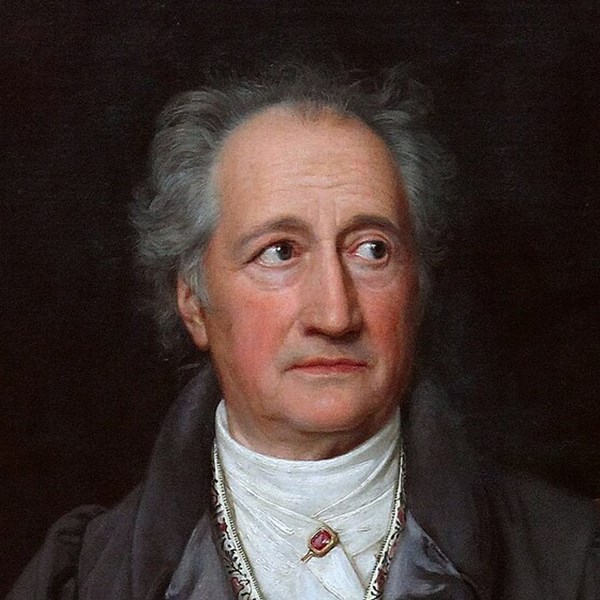
“In no language, perhaps, are spirit, word and script so primordially embodied together.”
In keiner Sprache ist vielleicht Geist, Wort und Schrift so uranfänglich zusammengekörpert.
Johann Wolfgang von Goethe
1749–1832
Read in the original
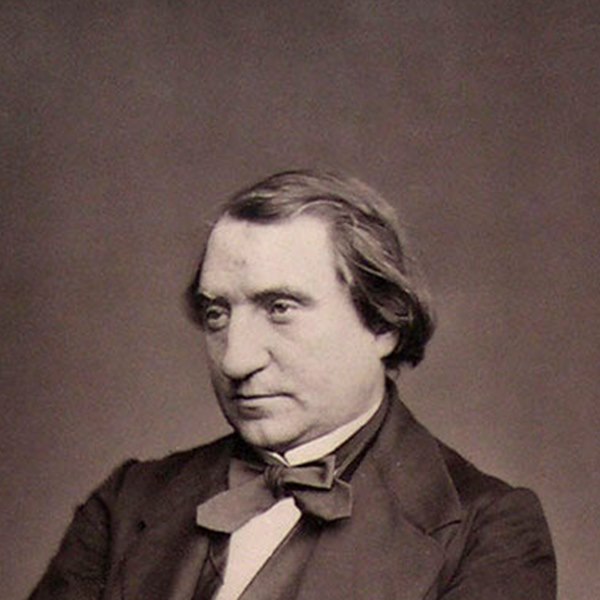
“In Arabic the words seem, quite literally, to swim in a river of vowels that overflows them on every side, follows them, precedes them, joins them.”
Dans l'arabe, les mots semblent, à la lettre, nager dans un fleuve de voyelles, qui les déborde de toutes parts, les suit, les précède, les unit.
Ernest Renan
1823–1892
Read in the original
“Whom do its beauty, its euphony, its unique charm not overpower? Even the neighbours fall under its spell.”
Wen bezwingt nicht ihre Schönheit, ihr Wohllaut, ihr einzigartiger Charme? Selbst die Nachbarn verfallen ja ihrem Zauber.
Sigrid Hunke
1913–1999

Some well-known sayings attributed to Western scholars have not been traced to an original and are not published: one credited to Krachkovsky (we searched the whole of his history of Arabic geographical literature), one credited to Germanus (not in any of his articles in al-Risāla), others credited to Marçais and Berque, and one credited to Brockelmann ("through the Qur’an Arabic reached an extent…"). The saying credited to al-Asma‘i is one he transmits from al-Khalil from Ayyub al-Sakhtiyani, whose saying is in this section. The saying credited to "William Work" has no such author: the name is a corruption of William H. Worrell, director of the American School of Oriental Research in Jerusalem, and its source has not been found. The claim that Chomsky was influenced by Sībawayh was denied by Chomsky himself in two published e-mails.