What They Said About the Arabs and Arabic

What Arab and Muslim scholars have said about their language, and what scholars from outside the Arab world have said about it, and about the Arabs and their civilisation. Nothing is published until it was read in its author's own book or in a named, reliable witness; the Western sayings appear in their original languages beside a translation, each with a link to the page of the book.

105 sayings — 52 by Arab and Muslim scholars, 53 by others; 48 read in the original language of their author.

How these sayings were documented

Most sayings of Western scholars about Arabic circulate in Arabic translations taken from secondary sources, and many turned out to add to or cut from the original. We went back to the authors' own books, in scans of their pages, and publish the original text with a faithful translation, noting under each saying where the circulated version departs from it. Sayings whose original we have not yet found are not published.

Read in the original Read in its author's own language (French, German, Latin…) in a scan of the book; the original is printed beside any translation. From the author's own Arabic The author's own Arabic words, read in his book by edition, volume and page; the English is our translation. Narrated with its chain The speaker wrote no book of his own; this is read in a work that narrates it from him with its chain of transmission, by edition, volume and page. Via a reliable witness Reported by a named scholar without a chain, or not found in the author's own work.

Showing 4 of 105 Clear filters

Read in the original
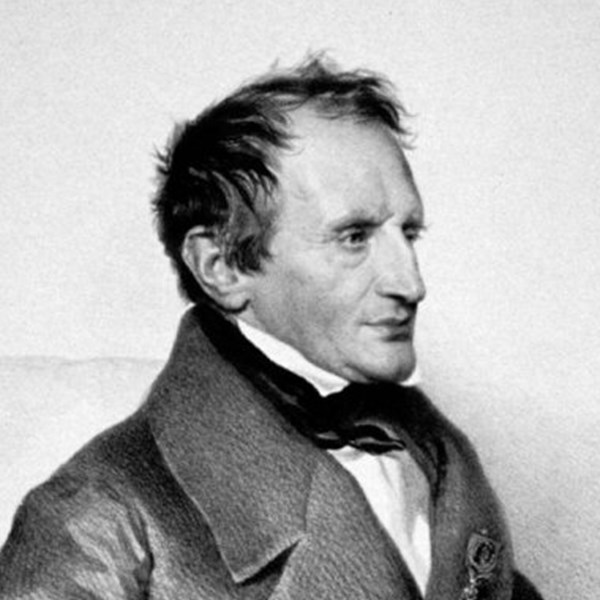
“Which language of the West has […] kept the oldest monuments of its literature intelligible today, not only to the scholar but to the whole people, as they were then — as Chinese and Arabic have?”
Welche Sprache des Abendlandes hat […] die ältesten Denkmale ihrer Literatur noch heute, nicht nur dem Sprachgelehrten, sondern dem ganzen Volke wie damals verständlich erhalten, wie das Chinesische und Arabische?
Joseph von Hammer-Purgstall
1774–1856
Read in the original
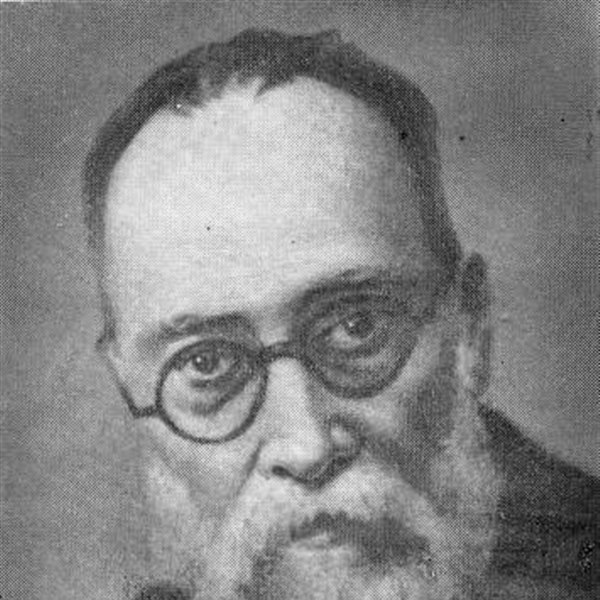
“Arabic lets itself be encroached upon almost nowhere, because it has its prestige as a language of religion and a language of civilization.”
L'arabe ne se laisse entamer presque nulle part parce qu'il a son prestige de langue religieuse et de langue de civilisation.
Antoine Meillet
1866–1936
Read in the original
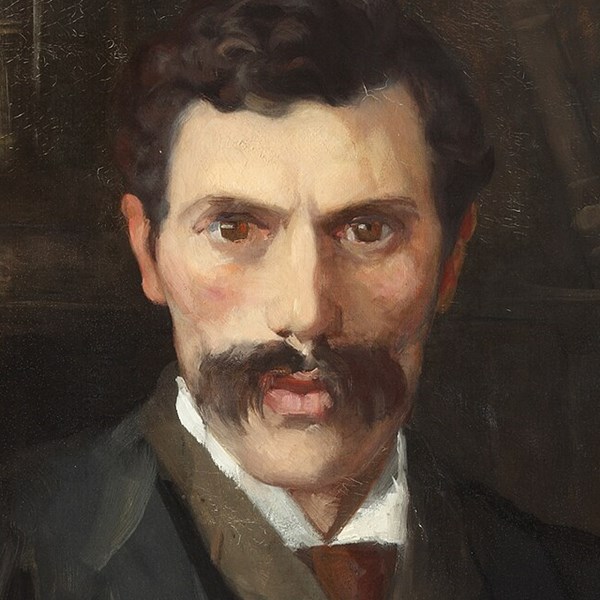
“This enthusiasm seems to have been well merited. There is no doubt that the Arabic language is undergoing a renaissance, and there is every likelihood of its again becoming a great literary vehicle. This renaissance will be greatly aided by the reproduction in it of the great European classics, which still retain their place as the basis of the higher education and as models of taste and style.”
فَلَا شَكَّ أَنَّ اللُّغَةَ العَرَبِيَّةَ تَمُرُّ بِنَهْضَةٍ، وَكُلُّ الدَّلَائِلِ تُشِيرُ إِلَى أَنَّها سَتَعُودُ أَدَاةً أَدَبِيَّةً عَظِيمَة.
D. S. Margoliouth
1858–1940
Read in the original
“Until now the weight of tradition has always proved stronger than every attempt to dislodge classical Arabic from its all-dominating position.”
Bisher hat die Wucht der Tradition sich immer noch stärker erwiesen als alle Versuche, die klassische ʿArabīya aus dieser ihrer allbeherrschenden Stellung zu verdrängen.
Johann Fück
1894–1974

Some well-known sayings attributed to Western scholars have not been traced to an original and are not published: one credited to Krachkovsky (we searched the whole of his history of Arabic geographical literature), one credited to Germanus (not in any of his articles in al-Risāla), others credited to Marçais and Berque, and one credited to Brockelmann ("through the Qur’an Arabic reached an extent…"). The saying credited to al-Asma‘i is one he transmits from al-Khalil from Ayyub al-Sakhtiyani, whose saying is in this section. The saying credited to "William Work" has no such author: the name is a corruption of William H. Worrell, director of the American School of Oriental Research in Jerusalem, and its source has not been found. The claim that Chomsky was influenced by Sībawayh was denied by Chomsky himself in two published e-mails.