What others said about Arabic Read in the original
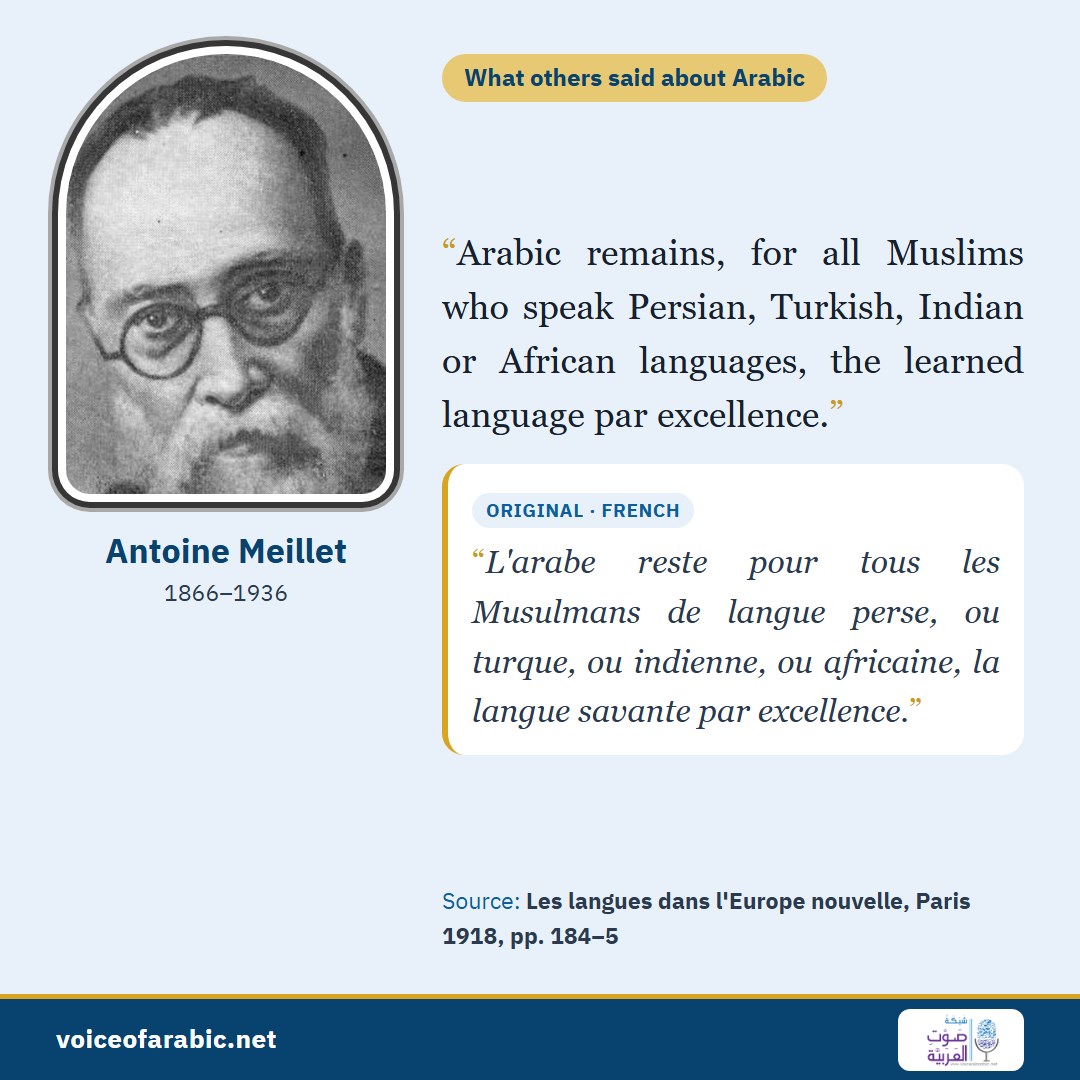
“While the unity of spoken Arabic is broken, the unity of written Arabic remains. At the same time Arabic remains, for all Muslims who speak Persian, Turkish, Indian or African languages, the learned language par excellence; it is for them what Latin is for a Catholic: the number of Arabic words that have passed into the languages of the Islamic peoples is enormous, and scholars who know Arabic constantly bring in new ones.”
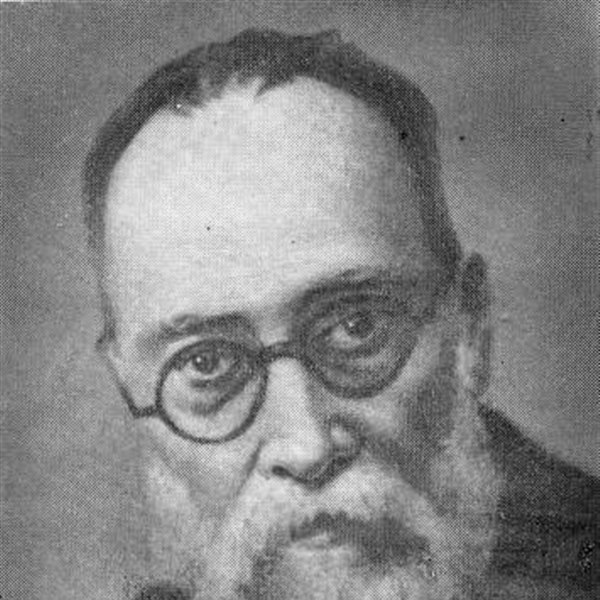
Antoine Meillet
1866–1936
French linguist, the leading comparativist of the Indo-European languages of his generation.
Original text — French
Alors que l'unité de l'arabe parlé est brisée, l'unité de l'arabe écrit demeure. En même temps, l'arabe reste pour tous les Musulmans de langue perse, ou turque, ou indienne, ou africaine, la langue savante par excellence; il est pour eux ce qu'est le latin pour un catholique: le nombre des mots arabes qui ont passé dans les langues des peuples islamiques est énorme, et les lettrés qui connaissent l'arabe en introduisent constamment de nouveaux.
In Arabic
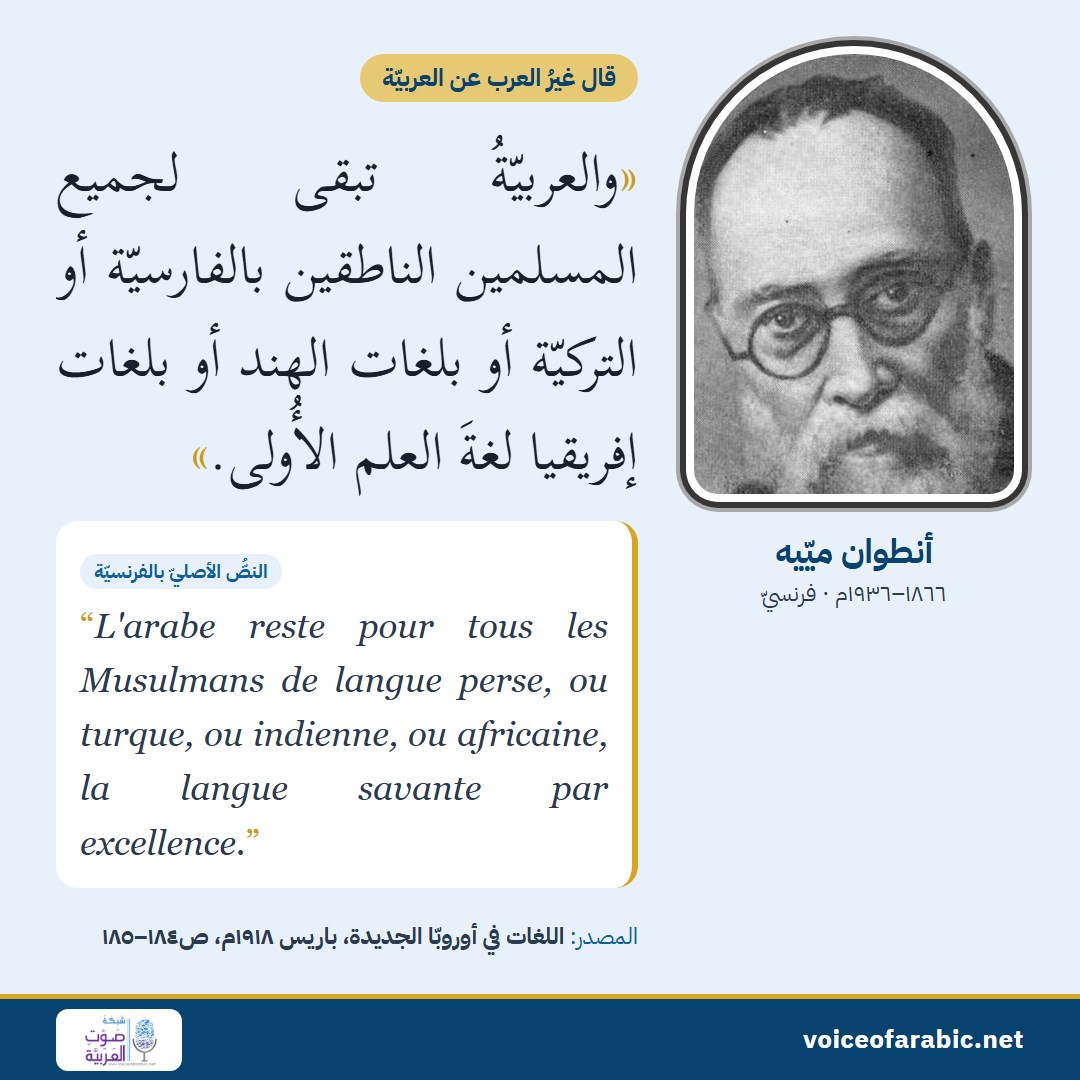
وإذا كانت وحدةُ العربيّة المنطوقة قد انكسرت، فإنّ وحدةَ العربيّة المكتوبة باقية. والعربيّةُ في الوقت نفسِه تبقى لجميع المسلمين الناطقين بالفارسيّة أو التركيّة أو بلغات الهند أو بلغات إفريقيا لغةَ العلم الأُولى؛ هي لهم ما اللاتينيّةُ للكاثوليكيّ: وعددُ الألفاظ العربيّة التي دخلت لغاتِ الشعوب الإسلاميّة هائل، والعلماءُ الذين يعرفون العربيّة يُدخِلون في لغاتهم ألفاظاً جديدةً منها كلَّ حين.
Source
Les langues dans l'Europe nouvelle, Paris: Payot, 1918, p. 184–185
The English translation is Voice of Arabic's, made from the original.
Tap a card to see it full size; each has a download button below it for sharing.